
Glass Thickness, Safety Standards & Kid-Friendly Glass Solutions Melbourne
Not all glass is the same - and when it comes to windows, doors and glass around the home, thicker doesn't automatically mean safer.
The right glass depends on where it's being installed, its size, how it's supported and the potential risk if someone accidentally impacts it.
This becomes particularly important in homes with young children, pets or high-traffic areas, where glass doors, low-level windows and large panels can be more vulnerable to accidental impact.
In this guide, Original Glazing explains the differences between common glass types, how glass thickness is determined and what Melbourne homeowners should know when choosing safer glazing for their property.
Quick Guide: What Makes Glass Safer?
When choosing glass for your home, consider:
Where the glass will be installed
How close it is to floor level
Whether it's installed in or near a door
The overall size of the pane
How likely someone is to accidentally impact it
Whether children regularly use the area
Whether safety glazing is required for the application
Whether toughened or laminated glass is more appropriate
The correct solution isn't simply choosing the thickest piece of glass available.
Glass type, thickness, size and location all matter.
Does Glass Thickness Matter?
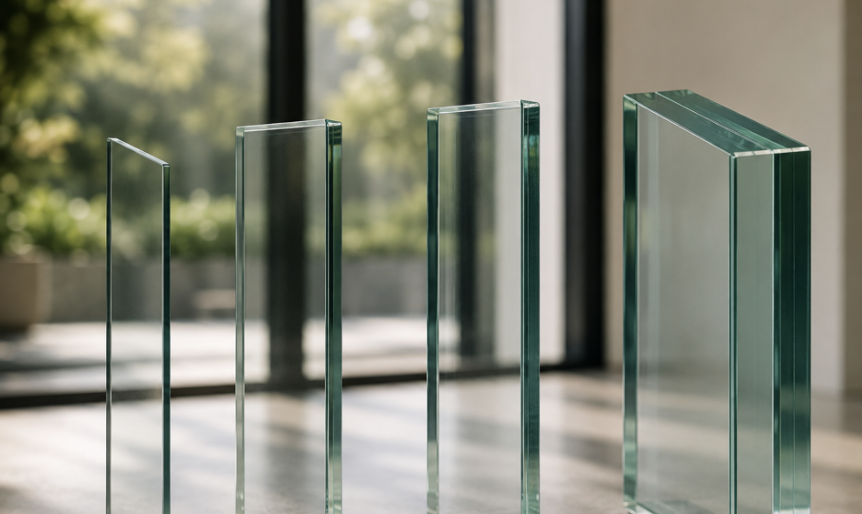
Yes - but thickness is only one part of choosing appropriate glass.
Different applications may require different glass thicknesses depending on factors such as:
📏 Pane size
Larger panes can have different requirements from small windows.
🏠 Location
Glass installed in a standard window isn't necessarily treated the same as glass installed in a door, bathroom or low-level area.
🪟 Glazing system
The way the glass is framed and supported also matters.
⚠️ Risk of human impact
Areas where someone could accidentally walk, fall or run into glass require additional consideration.
🔨 Glass type
Standard annealed glass, toughened safety glass and laminated safety glass behave differently when damaged.
This is why a professional glazier should determine the appropriate glass for each application rather than selecting thickness alone.
Standard Glass vs Safety Glass: What's the Difference?
This is one of the most important distinctions for homeowners to understand.
-
Annealed glass is commonly used in appropriate lower-risk glazing applications.
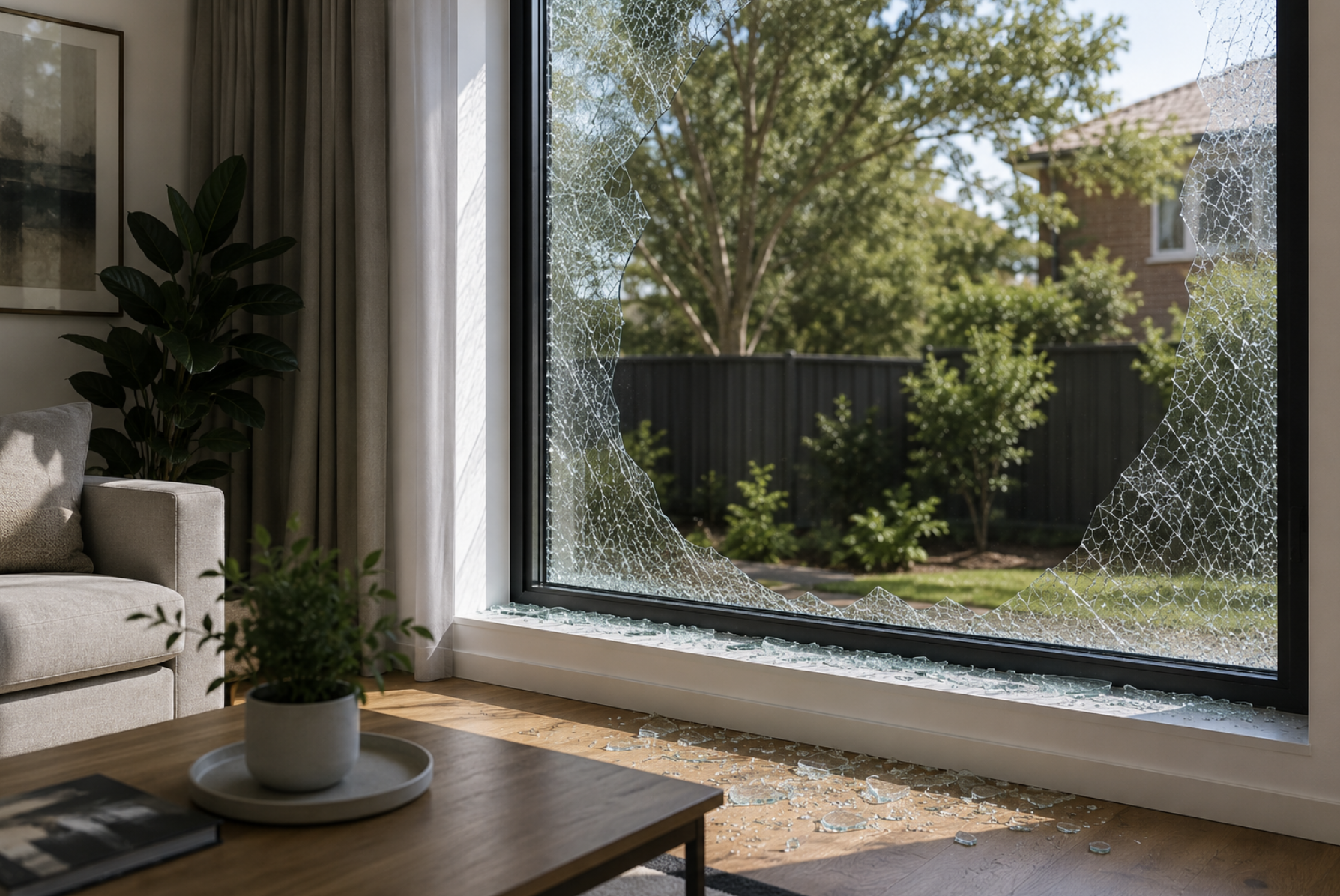
When broken, however, it can form larger, sharp pieces.
For this reason, it isn't suitable for every location around a home or commercial property.
-
Toughened glass undergoes additional processing that changes its strength and the way it behaves when broken.
Rather than typically breaking into large sharp shards like ordinary annealed glass, toughened safety glass is designed to fragment into many smaller pieces.
You'll commonly see safety glazing considered in higher-risk areas such as doors, bathrooms and certain low-level glazing applications.
Why choose toughened glass?
✓ Increased resistance to impact compared with ordinary annealed glass
✓ Safer breakage characteristics
✓ Suitable for many safety-glazing applications
✓ Available in different thicknesses depending on the application
-
Laminated glass works differently.
It consists of glass layers bonded using an interlayer.
If the glass breaks, the interlayer helps hold the broken pieces together rather than allowing the entire pane to immediately fall apart.
Think about the cracked appearance you may have seen in a damaged vehicle windscreen - the glass can crack extensively while largely remaining together.
Benefits of laminated glass can include:
✓ Broken pieces are held together by the interlayer
✓ Helps maintain a barrier after breakage
✓ Safety applications
✓ Additional security benefits depending on the glazing system
✓ Potential acoustic benefits depending on the product
Toughened vs Laminated Glass: Which Is Better?
Neither is universally "better".
They're designed to perform differently.
Toughened glass
When broken → typically fragments into many smaller pieces.
Laminated glass
When broken → the interlayer helps retain the broken glass.
The appropriate option depends on the location, dimensions, glazing system and purpose of the glass.
A professional glazier can assess the application and determine which type is appropriate.
What Glass Is Best for Homes With Children?
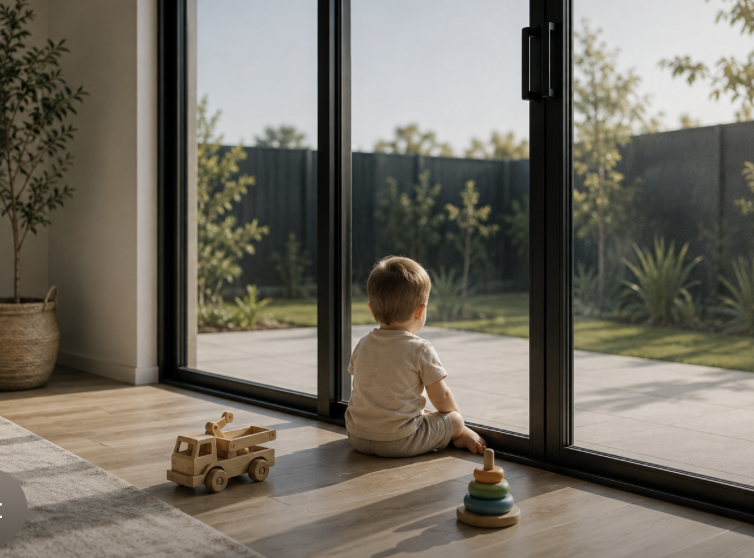
If you have young children, it's worth looking at your home from their height.
A large window might look completely ordinary to an adult but sit directly at the level where a running child could accidentally collide with it.
Pay particular attention to:
🚪 Glass Doors
Sliding doors and full-height glass doors are obvious impact areas because people regularly move through them.
🪟 Low-Level Windows
Glass positioned close to floor level can have a greater risk of accidental human impact.
🚿 Bathroom Glass
Bathrooms combine hard surfaces, water and the possibility of slipping, making appropriate safety glazing particularly important.
🏡 Large Glass Panels
Modern Melbourne homes increasingly feature large windows and expansive areas of glazing.
🛋 Glass Near Play Areas
If children regularly play near large windows or doors, it's worth knowing what type of glass is currently installed.
5 Glass Areas Parents Should Check Around the Home
1. Sliding Glass Doors
Sliding doors are one of the first areas I'd look at.
Children can run toward doors without noticing that they're closed, particularly when the glass is extremely clean.
Keep the area around the door clear and make sure the glazing is appropriate for its location.
2. Low Windows
Look at windows beside beds, sofas, hallways and children's play areas.
If a large section of glass sits close to floor level, it may be worth having the glazing assessed if you're unsure what type has been installed.
3. Shower Screens
Shower screens should use glass appropriate for their application.
If you have an old, damaged, chipped or cracked shower screen, don't simply ignore the damage.
Have it professionally assessed.
4. Glass Entry Doors
Front doors, side doors and internal doors containing substantial areas of glass deserve particular attention.
They're frequently used and therefore have a greater opportunity for accidental impact.
5. Damaged Glass Anywhere in the Home
A small chip or crack doesn't necessarily remain small forever.
If glass has already been damaged, particularly in a high-traffic area, arrange for a glazier to assess it.
What Are the Australian Safety Standards for Glass?
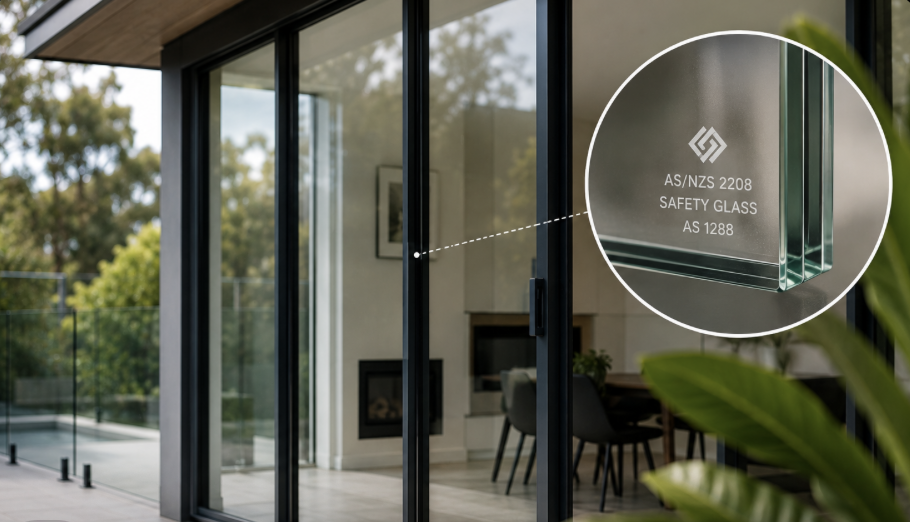
Glazing installed in Australian buildings can be subject to requirements under the National Construction Code and applicable Australian Standards, including requirements relating to safety glazing in buildings.
One important standard for glazing selection and installation is AS 1288 - Glass in buildings - Selection and installation.
The requirements can vary depending on factors including:
Where the glass is located
Pane dimensions
Type of building
Height above floor level
Proximity to doors
Bathroom and wet-area applications
Risk of human impact
Glass type and thickness
Because the correct specification depends on the particular installation, homeowners shouldn't rely on a generic online thickness chart when replacing safety-critical glazing.
A qualified glazier can determine what glass is appropriate for the specific application.
Is Thicker Glass Always Safer?
No.
This is an important misconception.
Imagine comparing a thicker piece of ordinary annealed glass with appropriately specified safety glass.
Simply increasing thickness doesn't automatically give the glass the same breakage characteristics as toughened or laminated safety glass.
Instead of asking:
“What's the thickest glass I can get?”
A better question is:
“What type and thickness of glass is appropriate for this location?”
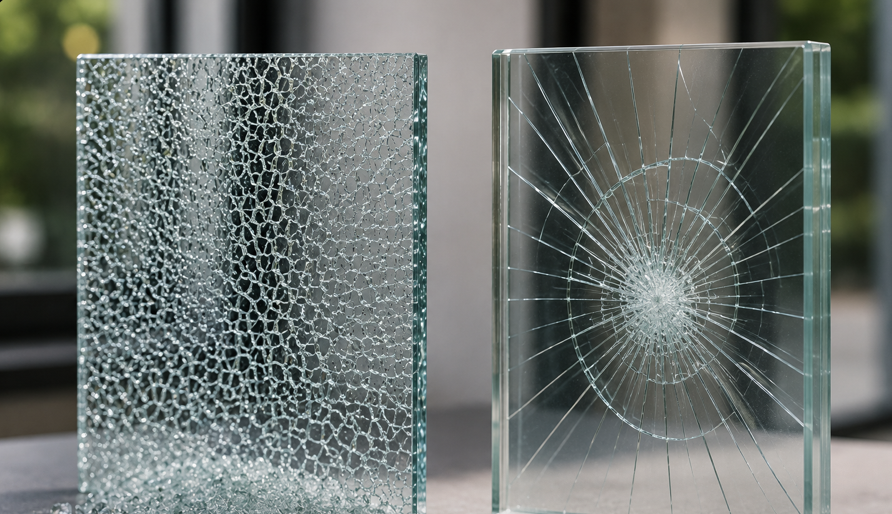
What Happens When Safety Glass Breaks?
The answer depends on the product.
Ordinary annealed glass
Can break into larger sharp pieces.
Toughened safety glass
Is designed to fragment into many relatively small pieces when it fails.
Laminated safety glass
Uses an interlayer that helps retain broken glass after impact.
This difference in breakage behaviour is one reason selecting the correct glass is so important in areas where people could accidentally collide with it.
Can Existing Windows Be Upgraded to Safety Glass?
In some situations, existing glazing can be replaced with an appropriate safety-glass product.
However, the window or door needs to be assessed because factors such as the:
→ Frame
→ Glass dimensions
→ Glazing system
→ Required thickness
→ Location
→ Intended application
can affect the appropriate replacement.
If you're renovating your Melbourne home or replacing existing damaged glass, it's a good opportunity to discuss your options with your glazier.
Professional Safety Glass & Glass Replacement Melbourne
Original Glazing provides glass replacement and glazing services across Melbourne for residential and commercial properties.
Whether you're replacing broken glass, renovating, upgrading existing glazing or simply unsure whether the glass around your property is appropriate for its location, our team can assess the application and recommend a suitable solution.
We work with a range of residential and commercial glazing, including windows, doors, shower screens, shopfronts, mirrors and specialised glass applications.
Unsure What Glass You Need?
Send Original Glazing a photo of the existing glass and surrounding frame along with your Melbourne suburb and approximate measurements.
Contact Original Glazing for professional glass advice, supply and installation across Melbourne.
Frequently Asked Questions
What thickness glass do I need for a window?
There isn't one thickness suitable for every window. The appropriate glass depends on factors including pane dimensions, location, framing, glass type and applicable glazing requirements.
Is toughened glass safer than normal glass?
Toughened glass is a safety-glass product designed to have different strength and breakage characteristics from ordinary annealed glass. Whether it's the appropriate product depends on the application.
Is laminated glass considered safety glass?
Certain laminated glass products are used as safety glazing. The appropriate specification depends on the particular installation and applicable requirements.
What type of glass is safest around children?
There isn't one glass product that's best for every area of a home. Appropriate safety glazing should be selected according to the location, dimensions and potential risk of human impact.
Do sliding doors require safety glass?
Glazed doors are among the locations where safety-glazing requirements can apply. The appropriate glass should be determined according to the installation and applicable Australian requirements.
Should bathroom glass be safety glass?
Bathrooms and wet areas are important safety-glazing locations. The glass should be appropriately specified for its application.
Can you replace old glass with safety glass?
Depending on the existing frame and glazing system, replacement with an appropriate safety-glass product may be possible. A glazier should assess the installation first.
Can Original Glazing help me choose the right glass?
Yes. Original Glazing can assess your glazing requirements and recommend an appropriate glass type and thickness for the particular application.