
Double Glazing Melbourne: A Complete Guide to Energy-Efficient Windows
Melbourne weather has a habit of keeping us guessing.
A freezing morning can turn into a sunny afternoon, and during winter it can sometimes feel like you're paying to heat your home only for that warmth to disappear straight through the windows.
That's where double glazing comes in.
Double glazed windows are designed to improve the thermal performance of glazing by using two panes of glass separated by a sealed space. But if you're considering double glazing for your Melbourne home, there are a few things worth understanding first.
Do you need completely new windows? Can existing windows be upgraded? Is double glazing actually worth it? And what exactly is inside a double glazed unit?
Here's the simple version.
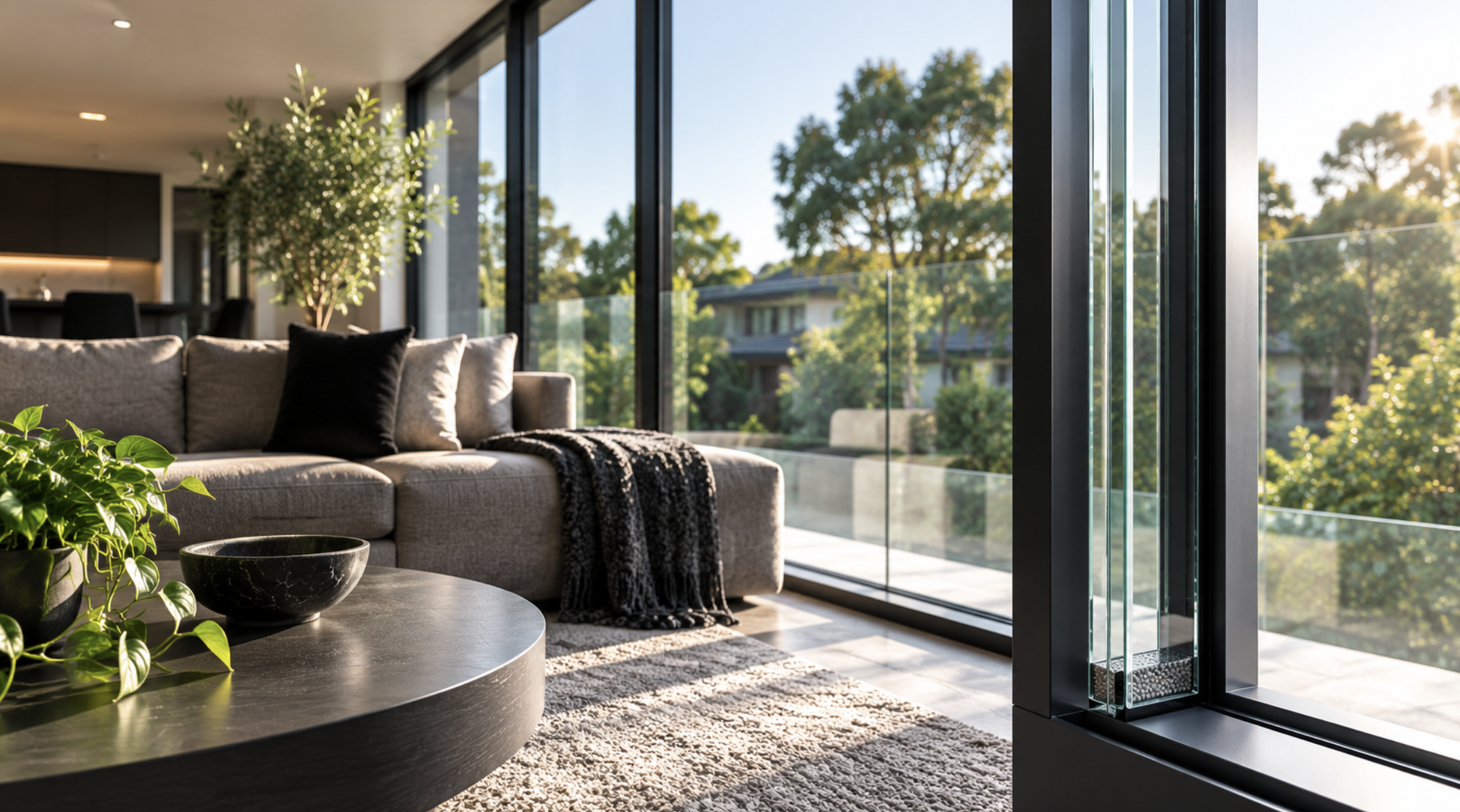
Double Glazing in 30 Seconds
Don't want to read the whole guide yet?
Here's what you need to know:
✓ Double glazing uses two panes of glass instead of one
✓ The panes are separated by a sealed cavity
✓ It can reduce heat transfer through your glazing
✓ It can improve thermal comfort and energy efficiency
✓ Certain systems can also improve acoustic performance
✓ Existing windows may sometimes be suitable for retrofit double glazing
✓ The best solution depends on your existing frames, glass and property
Now let's look at how it actually works.
What Is Double Glazing?
A standard single-glazed window contains one pane of glass.
A double glazed unit, often called an IGU (Insulated Glass Unit), contains two panes separated by a spacer to create a sealed cavity between them.
Think of it like this:
OUTSIDE
🪟 Glass pane
↕
Sealed cavity
↕
🪟 Glass pane
INSIDE
That cavity is important because the system is designed to reduce heat transfer compared with a basic single pane of glass.
Depending on the unit, the cavity may contain air or an insulating gas such as argon.
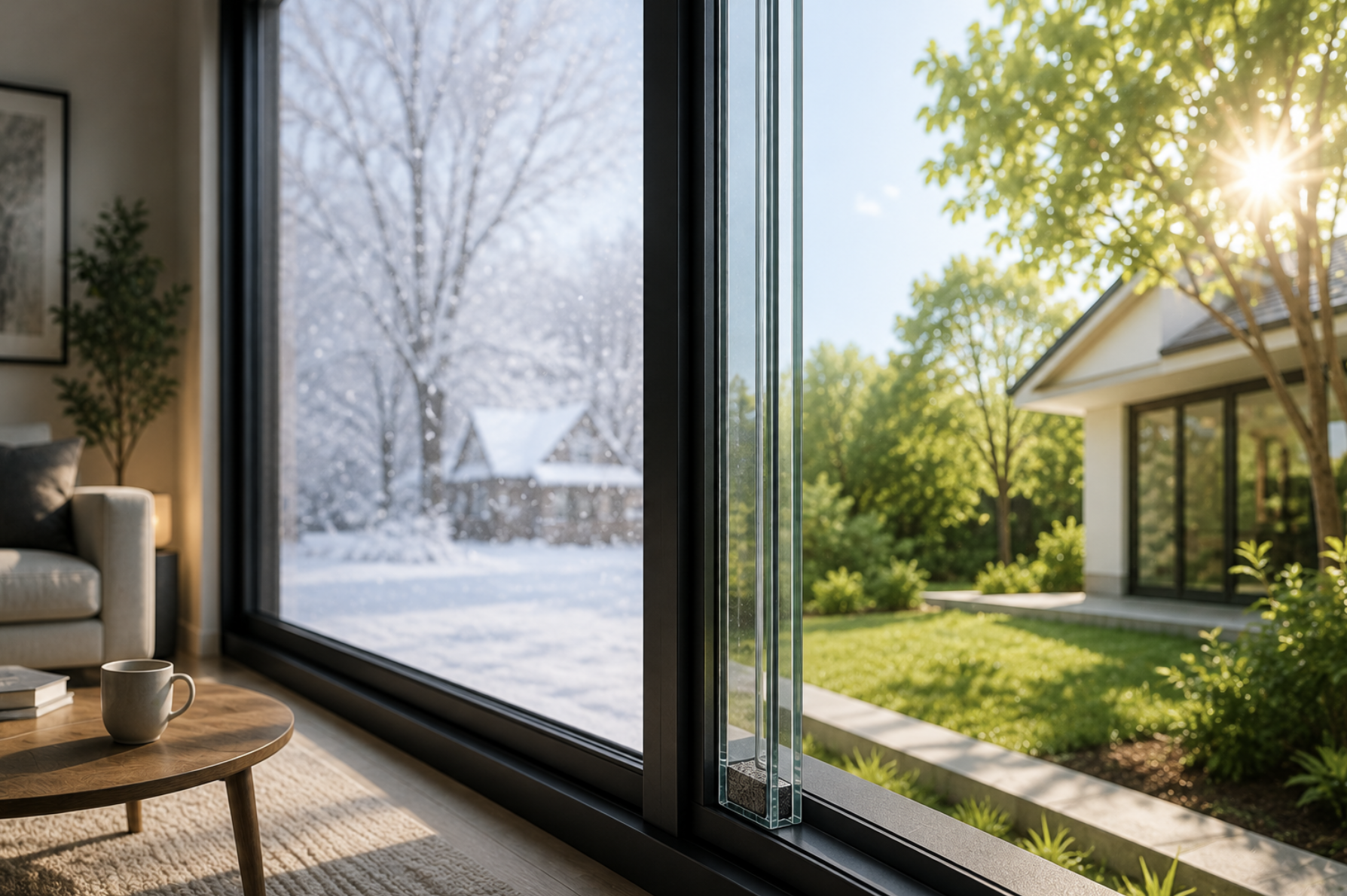
Why Are Melbourne Homeowners Choosing Double Glazing?
Melbourne's climate makes window performance particularly noticeable.
During winter, you want to retain warmth inside.
During summer, you want to reduce unwanted heat entering the home.
Windows form part of the building envelope, so upgrading inefficient glazing can form part of improving the overall thermal performance of a property.
❄️ Winter
Double glazing can help reduce heat transfer through the glass compared with ordinary single glazing.
☀️ Summer
Appropriately selected glazing can also assist with controlling heat transfer during warmer weather.
🏠 Year-round
The goal is a home that feels more comfortable without relying as heavily on heating and cooling to compensate for poorly performing glazing.
Single Glazing vs Double Glazing
Here's the easiest way to understand the difference.
-
1 pane of glass
Single glazing uses one pane of glass between your home and the outdoors.
Thermal performance: Lower
Heat transfer: Greater
Noise reduction: Limited
Energy efficiency: Lower
Upfront cost: Generally lowerIt's simple and widely used, but it provides less insulation than a double glazed unit.
-
2 panes of glass + a sealed cavity
Double glazing uses two panes separated by a sealed space, creating an additional insulating barrier.
Thermal performance: Improved
Heat transfer: Reduced
Noise reduction: Can be improved with the right configuration
Energy efficiency: Higher potential
Upfront cost: Generally higher
So, Which Is Better?
If your priority is improving thermal comfort and energy efficiency, double glazing offers significant advantages over basic single glazing.
But there's more to a good window than simply adding another pane of glass.
The glass configuration, frame, seals and quality of installation all contribute to how well the complete window performs.
Already have single glazed windows?
You may not necessarily need to replace the entire window. Depending on your existing frames, retrofit double glazing may be an option.
Click below to find out more about our retrofit double glazing services.
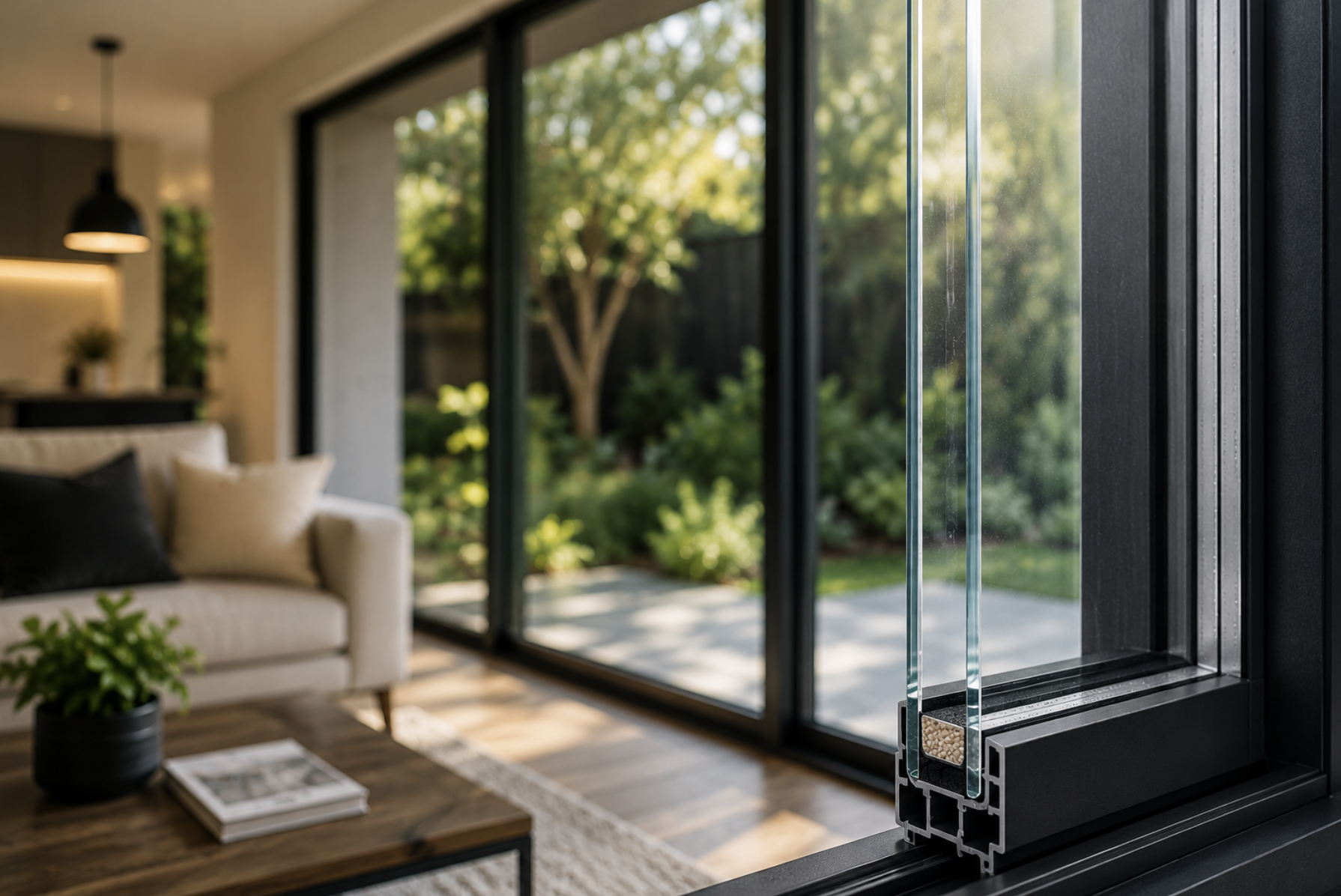
🔍 What's Actually Inside a Double Glazed Unit?
From a distance, double glazing can look like ordinary glass.
The interesting part is what you can't immediately see.
A typical insulated glass unit includes:
1. First Glass Pane
This forms one side of the unit.
2. Spacer
The spacer separates the two panes and creates the cavity.
3. Sealed Cavity
The space between the panes helps improve thermal performance.
4. Second Glass Pane
This completes the insulated unit.
5. Sealed Edge
The perimeter of the unit is sealed to maintain the cavity between the panes.
Different glass configurations can then be selected depending on what you're trying to achieve.
Can You Double Glaze Existing Windows?
Potentially - and this is where retrofit double glazing becomes interesting.
Some homeowners assume getting double glazing means immediately removing every existing window and replacing the entire frame.
That's not always the case.
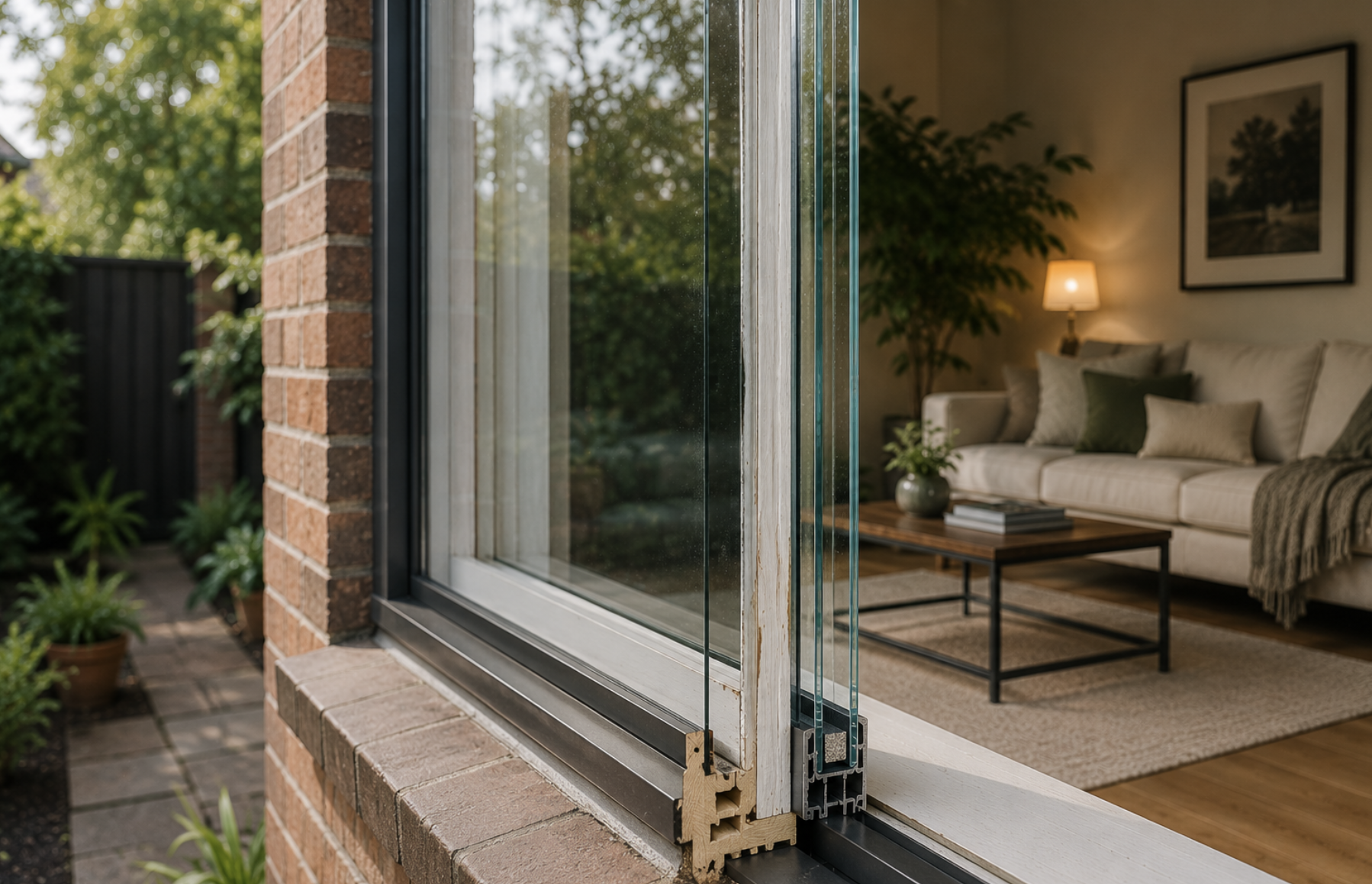
Depending on the existing window system, retrofit double glazing may allow suitable existing frames to be adapted to accommodate insulated glass units.
This can potentially make upgrading existing windows less disruptive than completely replacing the entire window system.
However, not every existing frame is suitable.
A glazier needs to consider factors such as:
→ Existing frame condition
→ Available glazing space
→ Weight of the new unit
→ Window design
→ Existing hardware
→ Required glass configuration
→ Sealing and drainage
This is why retrofit suitability should be assessed property by property.
To find out more click the button below.
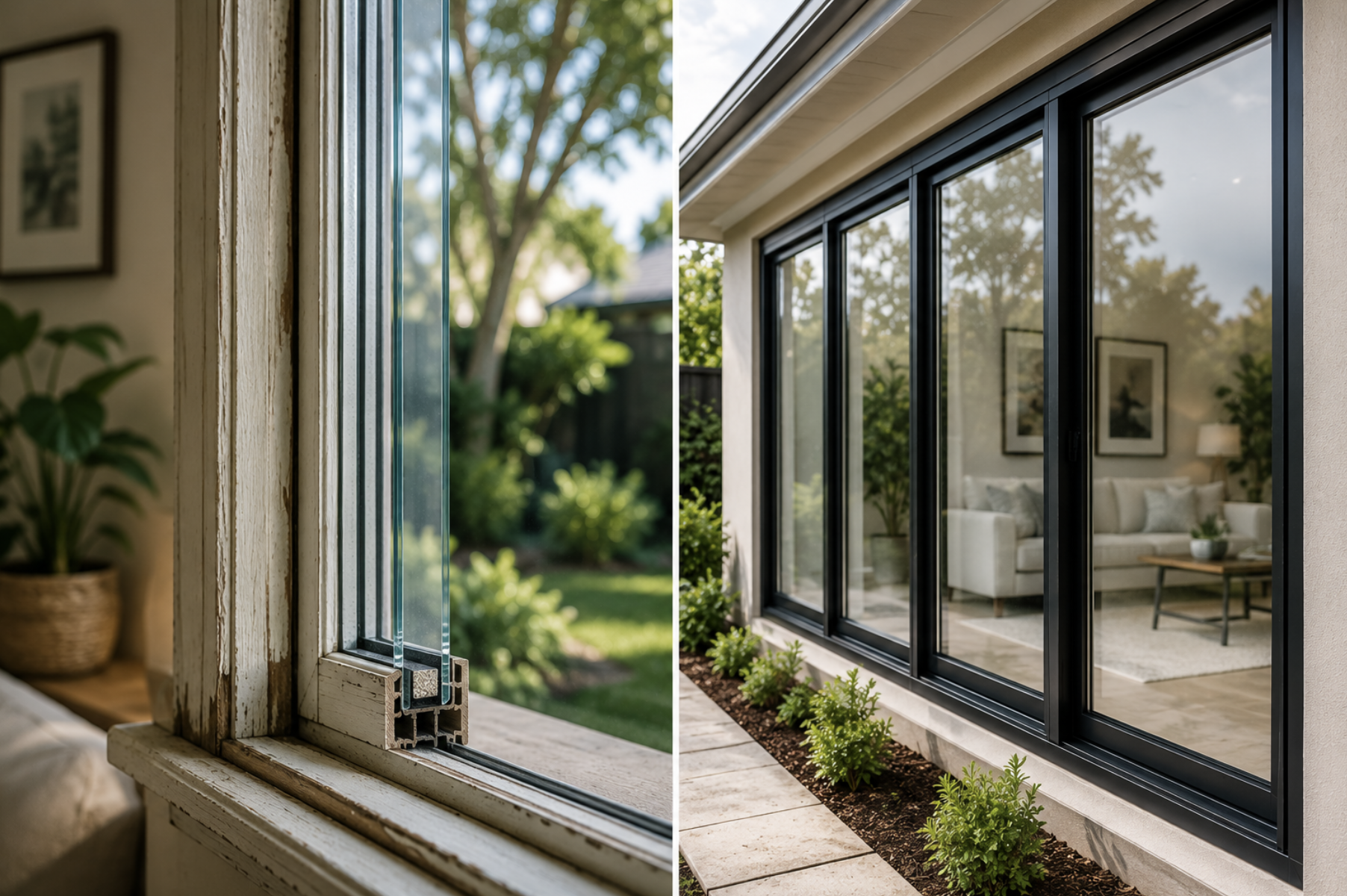
🔨 Retrofit Double Glazing vs Complete Window Replacement
Which option makes sense?
Retrofit Double Glazing
May be worth considering when:
✓ Existing frames are in suitable condition
✓ You want to improve existing glazing
✓ Preserving the current window system is desirable
✓ The frame can appropriately accommodate the new glazing
Complete Window Replacement
May be more appropriate when:
✓ Frames are badly deteriorated
✓ Existing windows have significant problems
✓ You're undertaking a larger renovation
✓ The current system isn't suitable for retrofit glazing
There isn't one answer for every Melbourne home.
An assessment of the existing windows is the best starting point.
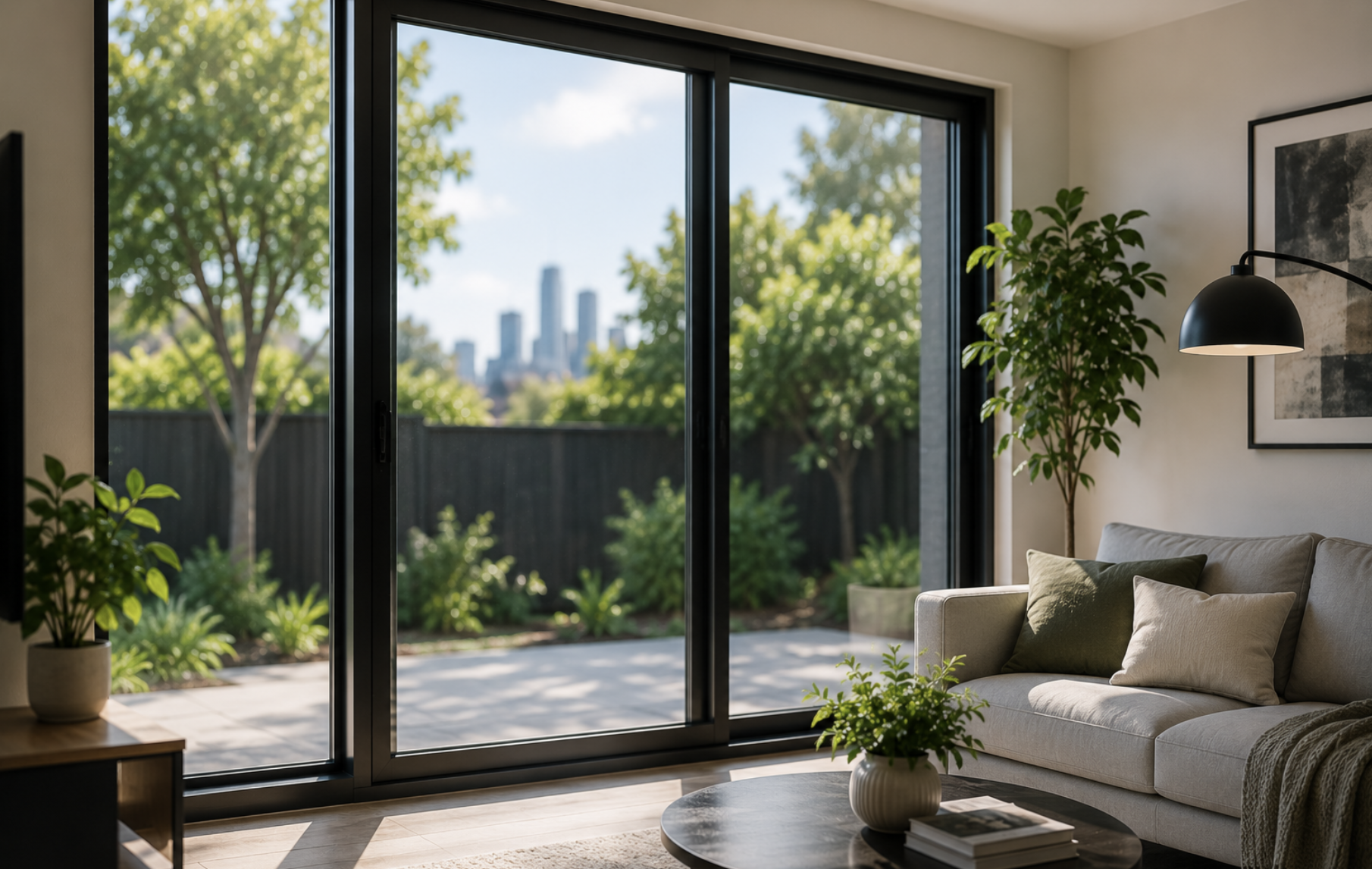
Is Double Glazing Worth It in Melbourne?
This is probably the question you're actually here for.
For many homeowners, the decision isn't simply:
“Will this save me money?”
It's also:
“Will my home actually feel better to live in?”
Potential benefits of appropriately specified double glazing can include:
🌡 Improved Thermal Comfort
Reducing heat transfer through your glazing can help create more comfortable indoor conditions.
⚡ Improved Energy Efficiency
Better-performing glazing can reduce some of the heating and cooling load associated with windows.
🔇 Potential Noise Reduction
Certain double glazing configurations can improve acoustic performance.
However, if noise reduction is your main objective, the glass configuration and overall window system matter considerably — simply installing any double glazed unit doesn't guarantee the same acoustic result.
💧 Improved Window Performance
Upgrading old glazing can form part of improving the overall performance of the window system.
🏡 Modernising an Older Home
Retrofit glazing can be particularly appealing when you're improving an existing property rather than undertaking a complete rebuild.
⚠️ 5 Things People Get Wrong About Double Glazing
This is where a lot of confusion comes from.
1. “The Thicker the Glass, the Better”
Not necessarily.
Performance depends on the entire glazing configuration — not simply the thickness of one pane.
2. “Double Glazing Makes a Home Completely Soundproof”
No.
Double glazing can improve acoustic performance, but “soundproof” is a much bigger claim.
Glass thickness, different pane configurations, laminated glass, cavity width, frames, seals and installation can all influence acoustic performance.
3. “I Need Completely New Windows”
Not always.
Some existing window systems may be suitable for retrofit double glazing.
4. “All Double Glazing Is Basically the Same”
Definitely not.
Different glass, cavity and frame configurations can produce different performance characteristics.
5. “Glass Is the Only Thing That Matters”
The glass is important — but so are the frames, seals and installation.
A high-performance glass unit can't compensate for every problem elsewhere in the window system.
What About Condensation?
This is another major reason people start researching double glazing.
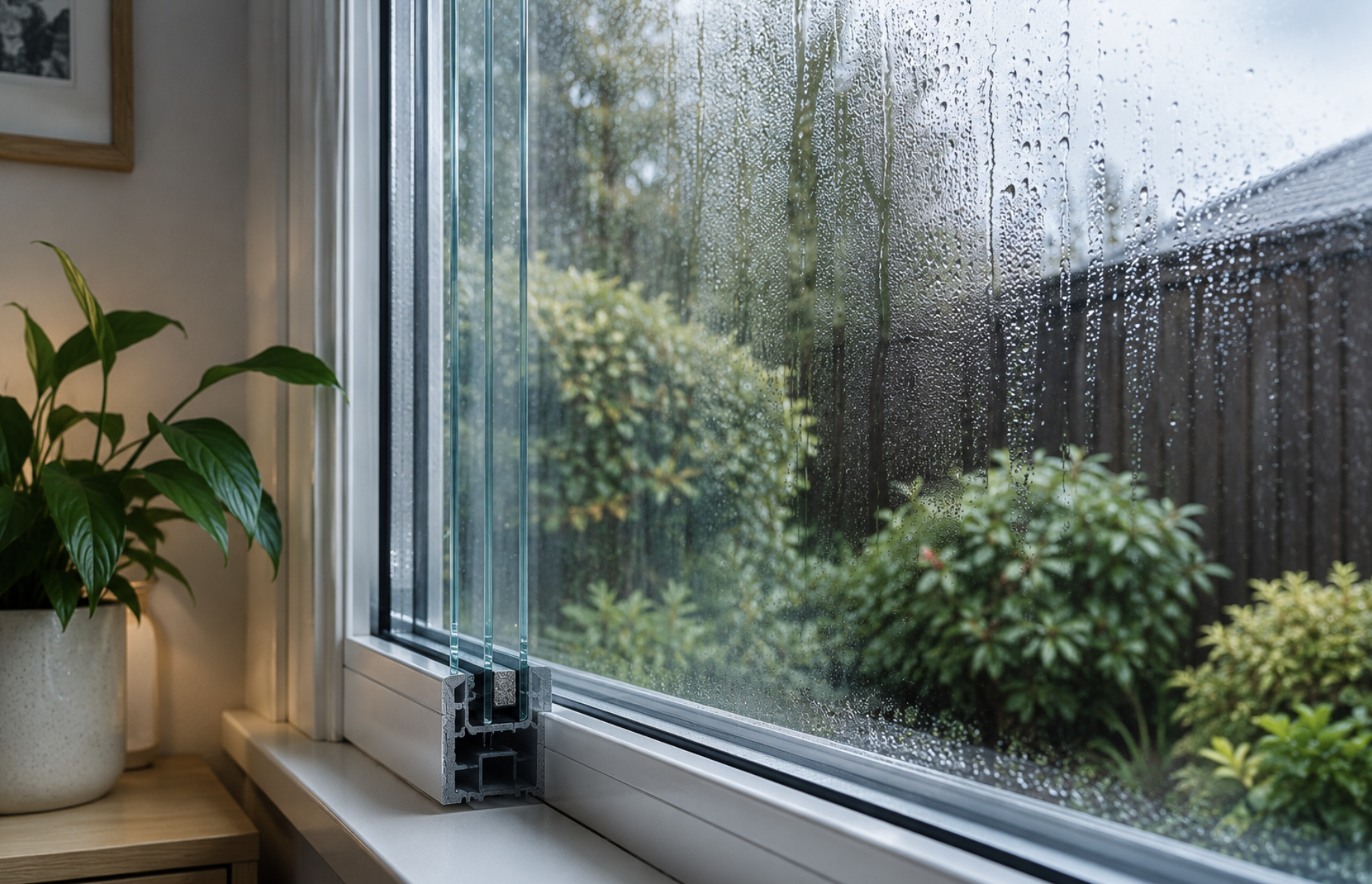
Condensation occurs when moisture in the air meets a sufficiently cold surface.
Because double glazing can improve the internal surface temperature of the glazing compared with basic single glazing under the same conditions, it may help reduce the likelihood of surface condensation on the glass.
But there's an important distinction.
Condensation on the room-side surface
This can be influenced by indoor humidity, ventilation, temperature and the thermal performance of the window.
Condensation between the two panes
That's different.
If moisture or fogging appears inside the sealed cavity of an insulated glass unit, it can indicate that the unit's seal has failed.
You generally can't wipe this condensation away because it's trapped between the panes.
Does Double Glazing Reduce Melbourne Traffic Noise?
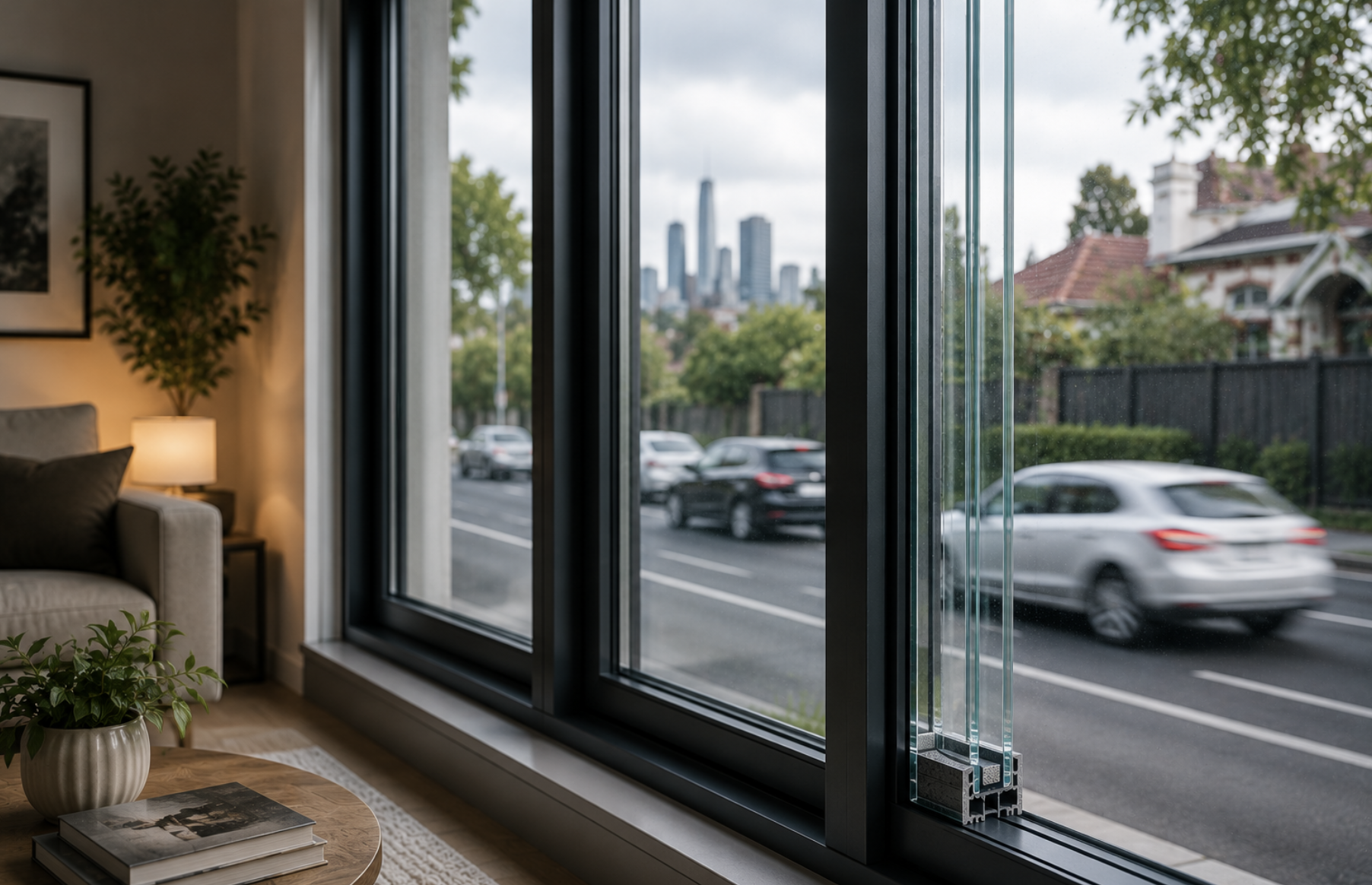
It can help - but don't choose your glazing based on the words “double glazed” alone if noise is your main problem.
This is particularly relevant if you live near:
🚗 A busy Melbourne road
🚆 Train lines
✈️ Aircraft routes
🏙 Busy inner-city areas
🏗 Construction or commercial areas
Acoustic performance can depend on several factors, including glass thickness, laminated glass, spacing between panes, frame construction and seals.
If noise reduction is the priority, tell your glazier.
The best configuration for thermal performance isn't automatically identical to the best configuration for acoustic performance.
Which Windows Should You Upgrade First?
Can't justify upgrading every window at once?
Prioritisation may make more sense.
Consider looking at:
Large Areas of Glass
Large windows and sliding doors can represent substantial areas of the home's glazing.
Rooms You Use Most
Living rooms, bedrooms and home offices may provide the most noticeable everyday benefit.
Problem Rooms
Is there one bedroom that's freezing every winter?
Or a living room that becomes extremely hot?
Start investigating there.
Street-Facing Windows
If traffic noise is also an issue, these windows may deserve particular attention.
Is Double Glazing Only for New Homes?
No.
This is one of the reasons retrofit double glazing is worth knowing about.
Melbourne has a huge variety of existing housing — from older brick homes and units to renovated properties and contemporary houses.
Depending on the existing frames and window construction, there may be options for improving the glazing without treating the property like a new build.
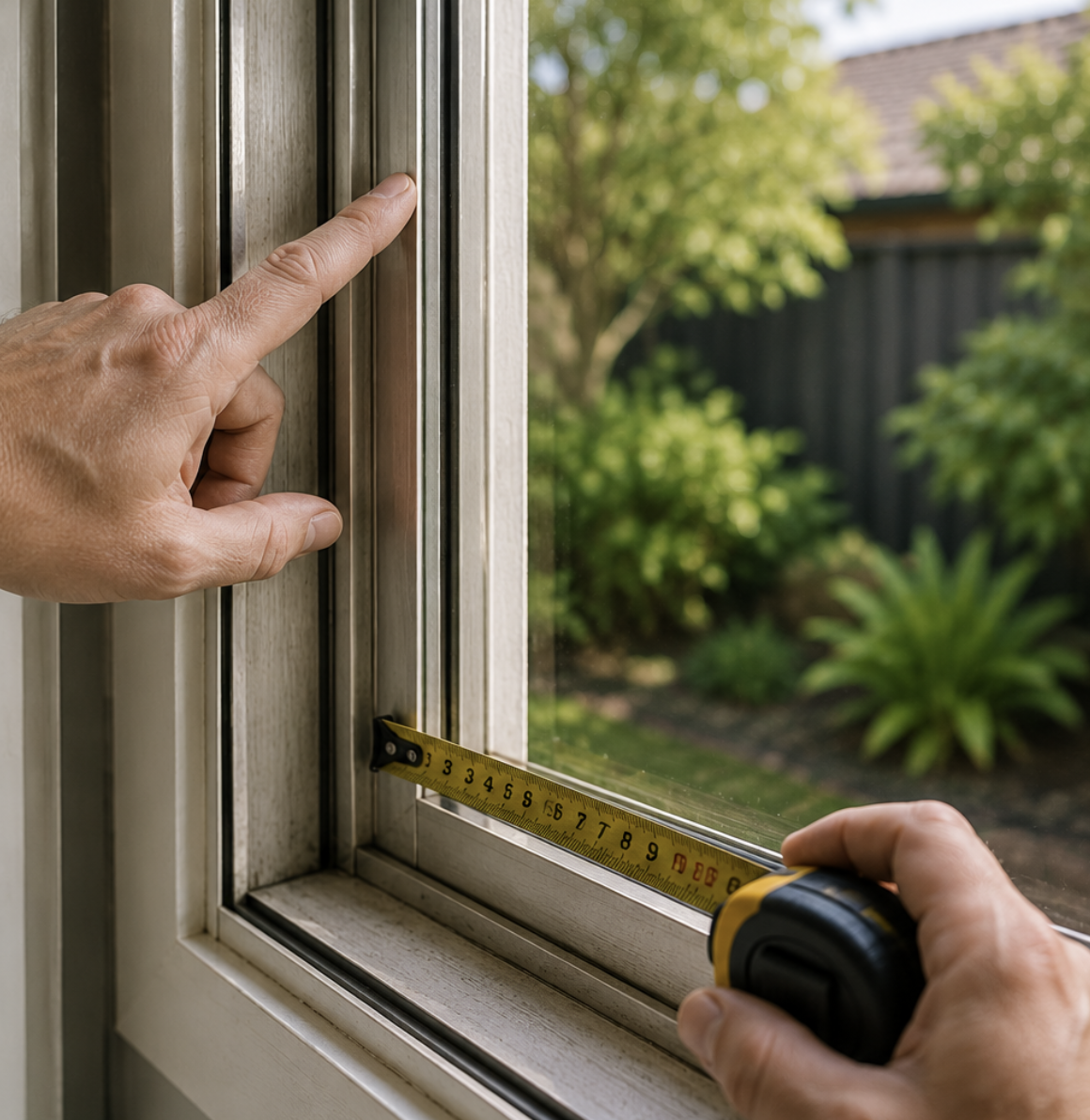
How Do You Know If Your Existing Windows Are Suitable?
You don't need to work this out yourself.
A glazing assessment can look at:
📸 Existing window design
🪟 Frame condition
📏 Available space
🔧 Hardware and operation
🏠 Number and size of windows
🎯 What you're actually trying to improve
That last point matters.
Someone wanting a warmer home may have different priorities from someone living beside a busy road who primarily wants noise reduction.
Double Glazing & Retrofit Double Glazing Melbourne
Original Glazing provides double glazing and retrofit double glazing solutions across Melbourne, helping homeowners assess whether their existing windows can be upgraded with insulated glass units.
Rather than assuming every property needs completely new windows, we can assess the existing glazing, frames and intended outcome to determine an appropriate solution.
Whether you're trying to improve thermal comfort, energy efficiency, acoustic performance or ageing glazing, the first step is understanding what you already have.
Thinking About Double Glazing?
Send Original Glazing photos of your existing windows, approximate measurements and your Melbourne suburb.
Contact Original Glazing to discuss double glazing and retrofit glazing options for your Melbourne property.
or alternatively, fill out this form and one of our friendly team members will contact you shortly.
Frequently Asked Questions About Double Glazing
What is a double glazed unit?
A double glazed or insulated glass unit generally consists of two panes of glass separated by a spacer, creating a sealed cavity between them.
Is double glazing good for Melbourne weather?
Double glazing can improve the thermal performance of windows compared with basic single glazing, making it relevant for Melbourne homes seeking better year-round thermal comfort.
Can existing windows be converted to double glazing?
Some existing window systems may be suitable for retrofit double glazing. The frames and overall window construction need to be assessed first.
Does double glazing reduce energy bills?
Better-performing glazing can reduce heat transfer through windows and form part of improving a home's overall energy efficiency. Actual energy use and savings depend on the entire building, heating and cooling habits, insulation and other factors.
Does double glazing reduce noise?
Certain double glazing configurations can improve acoustic performance. If noise reduction is the main objective, the glass, cavity, frames and seals should be selected with acoustic performance in mind.
Does double glazing stop condensation?
Double glazing can improve the internal surface temperature of the glass and may reduce the likelihood of some surface condensation. Condensation also depends on indoor humidity, ventilation and temperature.
Why is there condensation between my double glazed panes?
Moisture or fogging inside the sealed cavity can indicate failure of the insulated glass unit's seal. A glazier can assess whether the unit requires replacement.
Is retrofit double glazing cheaper than replacing the entire window?
It can avoid complete frame replacement in suitable applications, but costs depend on the existing windows, glass specifications, size, quantity, access and work required.
How do I know what double glazing I need?
The appropriate configuration depends on the window, frame and what you're trying to achieve. A professional glazing assessment is the best starting point.