
Window Caulking & Resealing Melbourne: Signs Your Windows Need Resealing
Have you noticed cracked sealant around your windows, water getting in when it rains, cold draughts or gaps forming around the glass and frames?
The problem might not be the window itself.
Over time, the caulking and sealant surrounding windows and glass can deteriorate, crack, shrink or separate from the surface. Melbourne's changing weather can make maintaining exterior window seals particularly important.
Knowing the warning signs early can help you address deteriorating seals before moisture starts causing problems around the window.
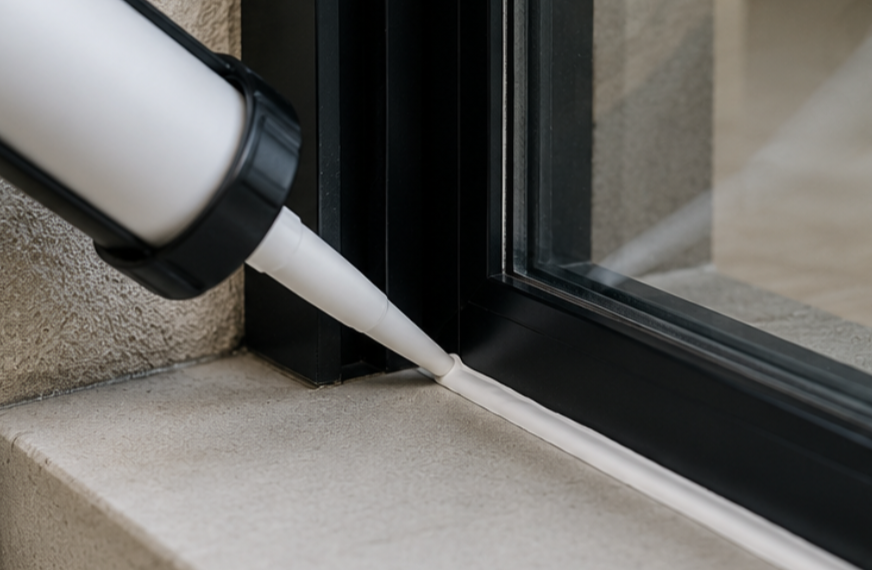
Quick Check: Does Your Window Need Resealing?
Take a look around your window frames and glass.
You may need window caulking or resealing if you notice:
Cracked or splitting sealant
Gaps between the window frame and surrounding surface
Sealant peeling away from the frame
Water appearing around windows after rain
Draughts coming through closed windows
Old, brittle or missing caulking
Mould or moisture developing around the window
Previous sealant repairs beginning to fail
If you're seeing several of these signs, it may be time to have the existing seals assessed.
What Is Window Caulking?
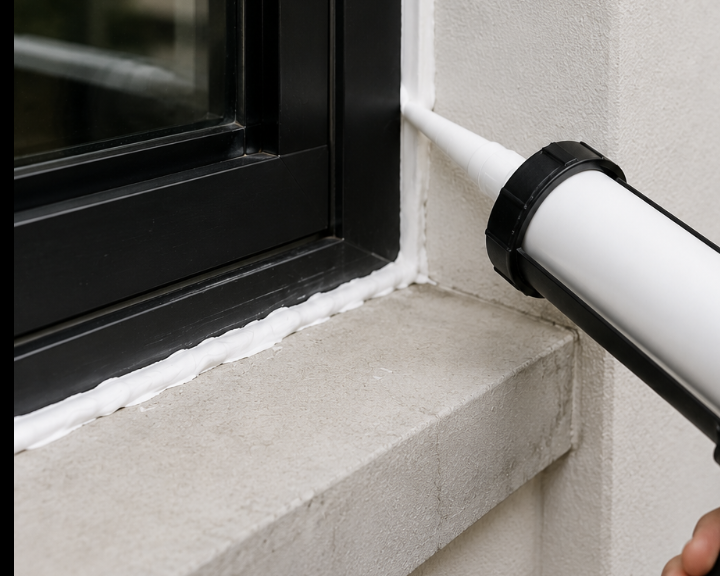
Window caulking involves sealing joints and gaps around windows using an appropriate flexible sealant.
These seals help create a barrier between different building materials and prevent unwanted water and air movement through gaps around the window.
You will commonly find sealant around:
Window frames → where the frame meets surrounding building materials.
Glass → depending on the glazing system and application.
External joints → where gaps could allow rainwater to enter.
Internal joints → where a neat seal may be required between the frame and internal finishes.
Good caulking isn't just about appearance. Correctly installed seals play an important role in protecting the area around your windows.
7 Signs Your Windows May Need Resealing
1. The Existing Caulking Is Cracked
One of the easiest warning signs to spot is visible cracking.
Sealant needs to remain flexible enough to accommodate normal movement. As it ages, it can become brittle and begin cracking or splitting.
Once this happens, the seal may no longer be performing as intended.
2. The Sealant Is Pulling Away
Look closely at where the sealant meets the window frame and surrounding surface.
If it has started separating from either side, small gaps can develop.
Even gaps that look insignificant may provide a pathway for moisture.
3. Water Appears Around Your Window
If you consistently notice moisture around a window after rain, the seals are one of several areas that may need to be investigated.
Water around a window doesn't automatically mean the caulking is responsible — flashing, drainage, roofing and other building components can also contribute.
However, deteriorated perimeter seals are worth checking.
4. You Can Feel a Draught
Stand beside the window on a cold or windy Melbourne day.
Can you feel air coming from around the frame even though the window itself is properly closed?
Gaps around the perimeter may be contributing to unwanted air movement.
5. The Caulking Looks Brittle or Discoloured
Old sealant can become noticeably different in appearance.
Depending on the product and conditions, you might see:
Cracking
Shrinkage
Discolouration
Hardening
Peeling
Missing sections
Visible deterioration is a good reason to have the seal inspected.
6. Mould Keeps Appearing Around the Window
Recurring moisture around windows can encourage mould growth.
Simply cleaning the mould may not address the underlying reason moisture is present.
If water is entering through failed seals, identifying and addressing the source is important.
7. The Window Hasn't Been Resealed for Years
You don't necessarily need to wait for water to start entering.
If the external caulking is visibly deteriorating, preventative resealing can be worth considering before complete seal failure occurs.
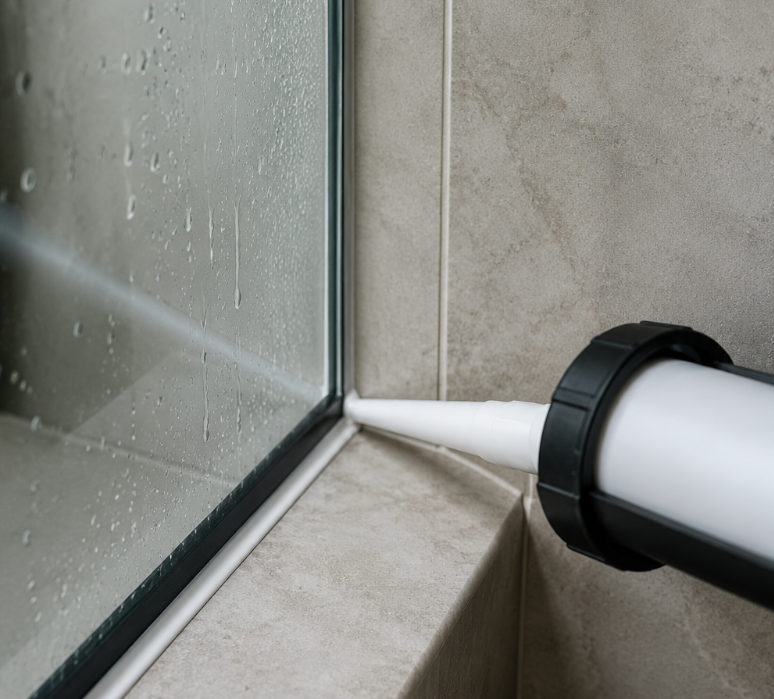
Why Does Window Caulking Fail?
Caulking isn't permanent.
It is exposed to movement, moisture and changing environmental conditions throughout its service life.
Common causes of deterioration include:
☀️ UV exposure
Exterior seals are continually exposed to sunlight.
🌧 Rain and moisture
External window seals regularly encounter Melbourne's weather.
🌡 Temperature changes
Building materials expand and contract as temperatures change.
🏠 Building movement
Normal movement can place stress on joints and seals.
⌛ Age
Like many building materials, sealants eventually deteriorate.
🔧 Poor previous application
Incorrect preparation, unsuitable sealant or poor application can cause a seal to fail prematurely.
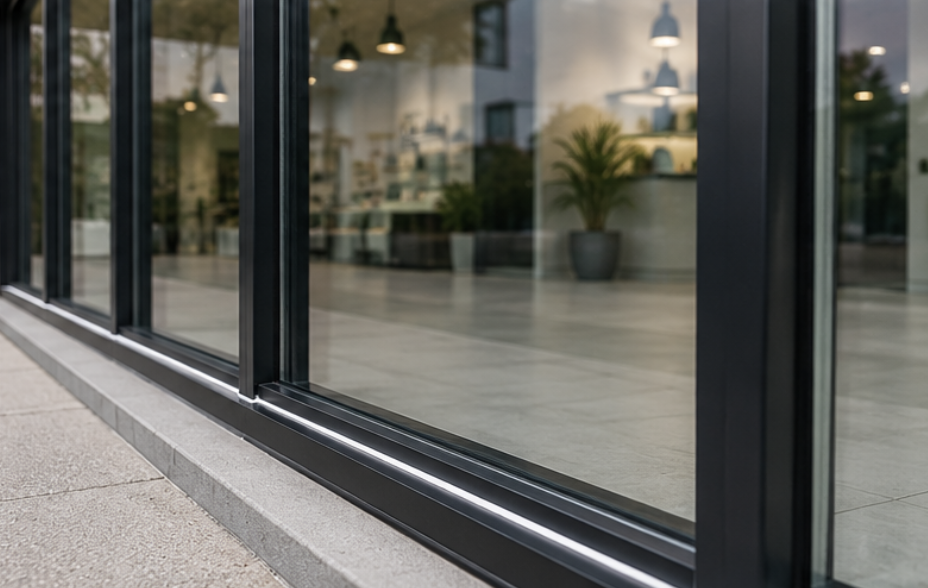
Window Caulking vs Window Resealing - What's the Difference?
The terms are often used interchangeably, but there can be a slight difference.
Window caulking generally refers to applying sealant around joints and gaps.
Window resealing usually means dealing with an existing seal that has deteriorated and needs to be renewed.
For an older window, this can mean removing failed caulking, preparing the joint and applying new sealant rather than simply adding more over the top.
Can Resealing Help With Leaking Windows?
Potentially - if failed seals are actually the source of the leak.
This distinction is important.
Water around a window can potentially come from several locations, including the window perimeter, drainage systems, flashing or surrounding building components.
A professional assessment can help determine whether deteriorated window seals are contributing to the problem before resealing work is undertaken.
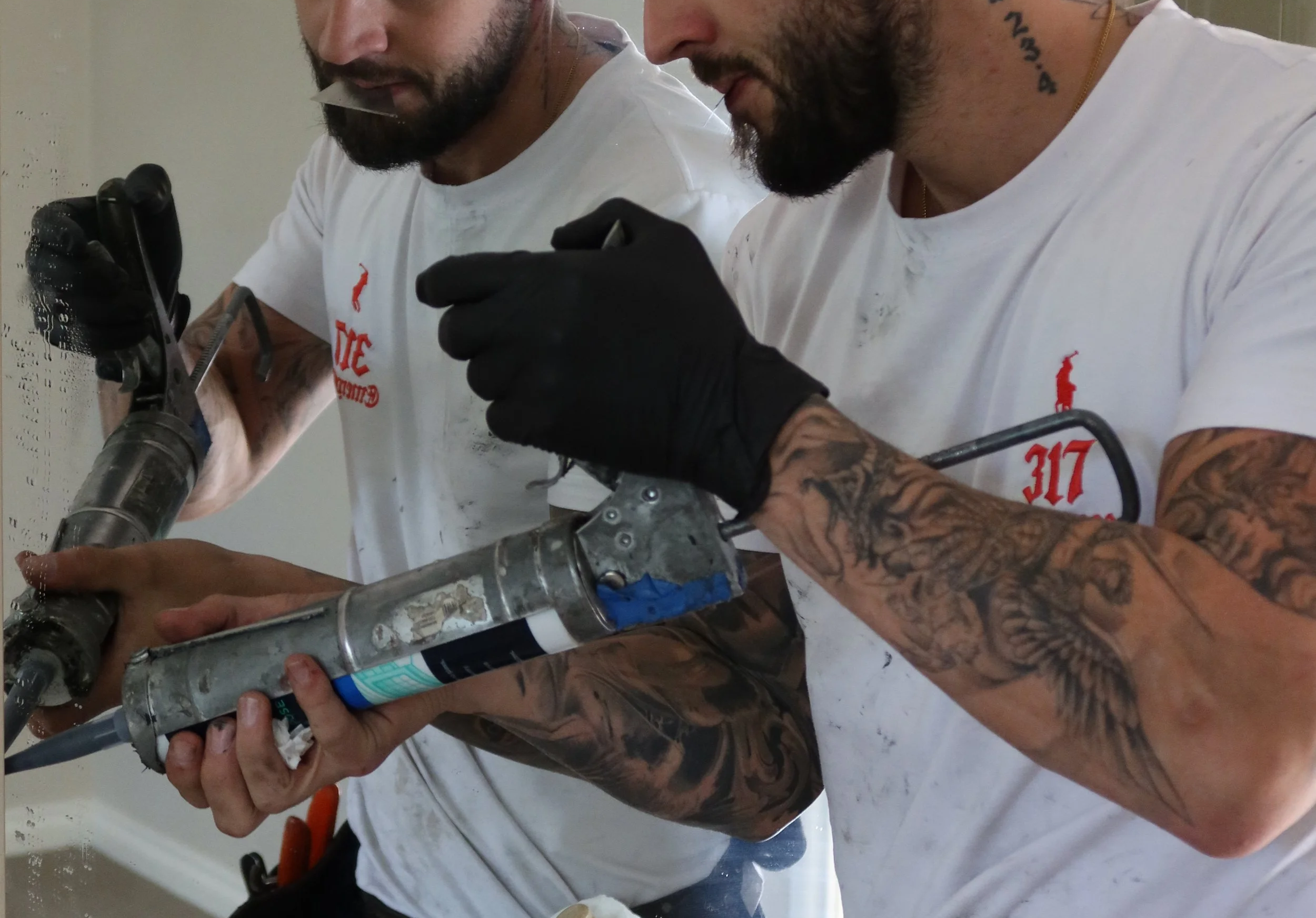
Residential Window Caulking Melbourne
Window resealing can be useful for Melbourne homeowners dealing with ageing or deteriorated seals.
Original Glazing can assist with caulking and resealing around a range of residential glazing applications, including:
Aluminium windows
Residential glass
Window perimeters
Glass panels
Sliding doors
External glazing joints
Existing deteriorated seals
If you're renovating or maintaining an older property, checking existing window seals is a simple thing that can easily be overlooked.
Commercial Glass Caulking & Resealing Melbourne
Caulking is equally important for commercial glazing.
Commercial buildings often contain much larger areas of glazing and more exposed joints than residential properties.
Depending on the glazing system, resealing may be required around:
Shopfront glass
Commercial windows
Office glazing
Glass panels
Aluminium frames
External perimeter joints
Existing commercial glazing
Maintaining these seals can also help keep commercial glazing looking clean and professionally finished.
Should I DIY Window Caulking?
Small cosmetic sealing jobs may appear straightforward, but achieving a durable, neat seal can be harder than it looks.
Problems commonly occur when:
❌ The old sealant isn't properly removed
❌ The surface isn't prepared correctly
❌ The wrong sealant is selected
❌ Gaps are simply covered rather than assessed
❌ The bead is inconsistent
❌ The actual source of water entry isn't identified
For external glazing, larger windows, commercial glass or persistent leaks, professional assessment is generally the better approach.
How Much Does Window Caulking Cost in Melbourne?
There isn't one fixed price for every caulking or resealing job.
The cost can depend on:
Number of windows
Length of joints requiring resealing
Condition of the existing caulking
Amount of preparation required
Accessibility
Window size
Residential or commercial application
Sealant requirements
For an accurate quote, photos of the windows and deteriorated areas can be helpful.
Window Caulking & Resealing Across Melbourne
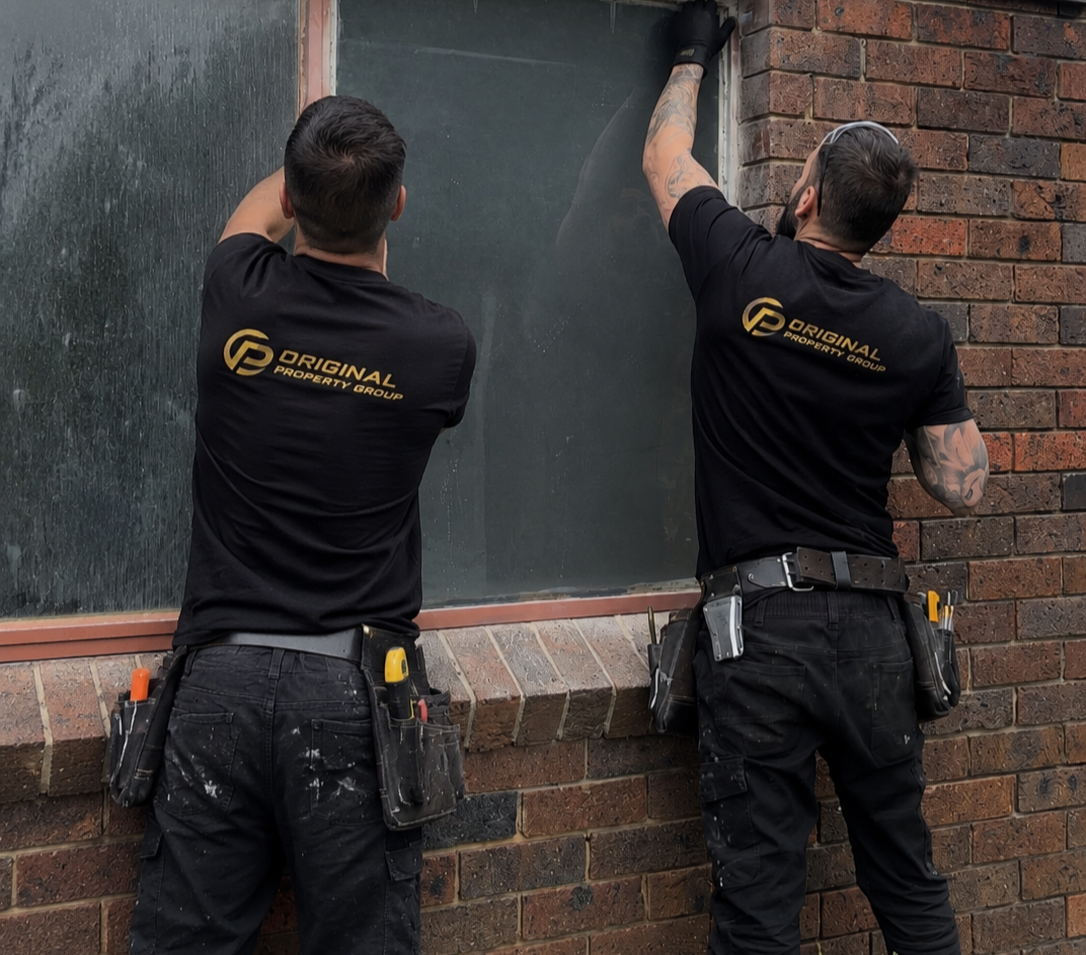
Original Glazing provides professional window caulking and glass resealing services across Melbourne for residential and commercial properties.
Whether you've noticed deteriorating silicone, gaps around a window frame, ageing external seals or a potential water-entry issue, we can assess the glazing and determine the appropriate next step.
We service Melbourne and surrounding suburbs, including Balwyn, Box Hill, Doncaster, Kew, Camberwell, Hawthorn, Blackburn, Ringwood, Glen Waverley, Richmond and surrounding areas.
Need Your Windows Resealed?
Don't wait until visibly deteriorated caulking becomes a bigger problem.
Contact Original Glazing for professional window caulking and resealing in Melbourne.
Frequently Asked Questions
How do I know if my windows need resealing?
Cracked, peeling, separated or missing sealant are common signs. Water around windows and noticeable gaps can also indicate that the seals should be inspected.
How often should window caulking be replaced?
There isn't a universal replacement schedule. Lifespan varies depending on the sealant, installation, exposure, movement and environmental conditions. Regular visual inspection is more useful than relying on a fixed number of years.
Can you reseal aluminium windows?
Yes. Caulking and resealing can be used around aluminium window systems where appropriate.
Will new caulking stop my window leaking?
It can help when failed perimeter seals are responsible for the water entry. However, window leaks can have other causes, so identifying the source is important.
Do you remove the old caulking first?
Where existing sealant has failed, appropriate removal and surface preparation may be required before new sealant is applied.
Do you provide commercial caulking services?
Original Glazing provides glazing and caulking services for both residential and commercial properties across Melbourne.
Can I send photos for a quote?
Yes. Clear photos of the complete window and close-ups of the existing seals can help when discussing the work required.